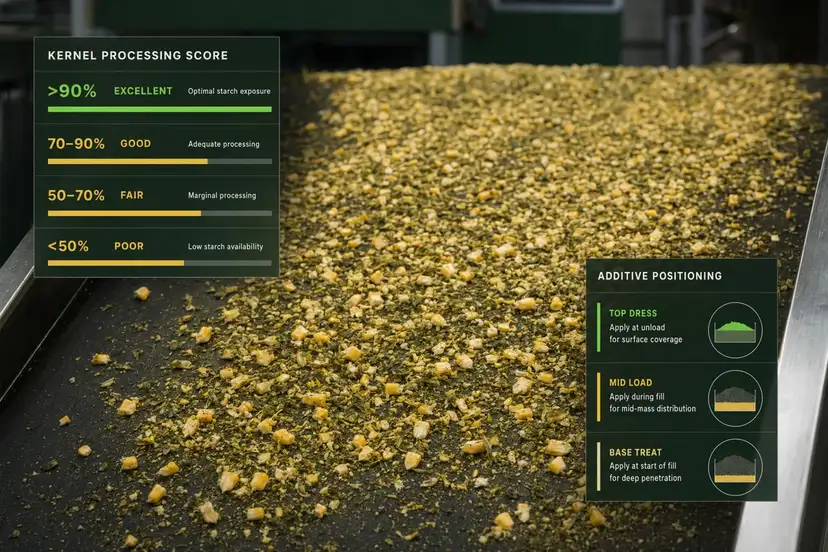
Kernel Processing Score and Corn Silage Additive Positioning
How kernel processing score changes corn silage additive positioning, enzyme selection, inoculant fit, and claims for additive manufacturers.
Request pricing How kernel processing score changes corn silage additive positioning, enzyme selection, inoculant fit, and claims for additive manufacturers.
Request pricingFor corn silage additive manufacturers, kernel processing score is more than a field-performance metric. It is a positioning tool that can help product managers decide how to frame enzyme systems, inoculant compatibility, fermentation support, and customer-facing claims.
A strong kernel processing score suggests starch access is already moving in the right direction. A weak score signals that the additive is being asked to work in a more constrained matrix: larger kernel fragments, slower microbial access, and more variability in fermentation outcomes. That difference matters when building a commercial additive line for contractors, nutrition distributors, and feed-company private labels.
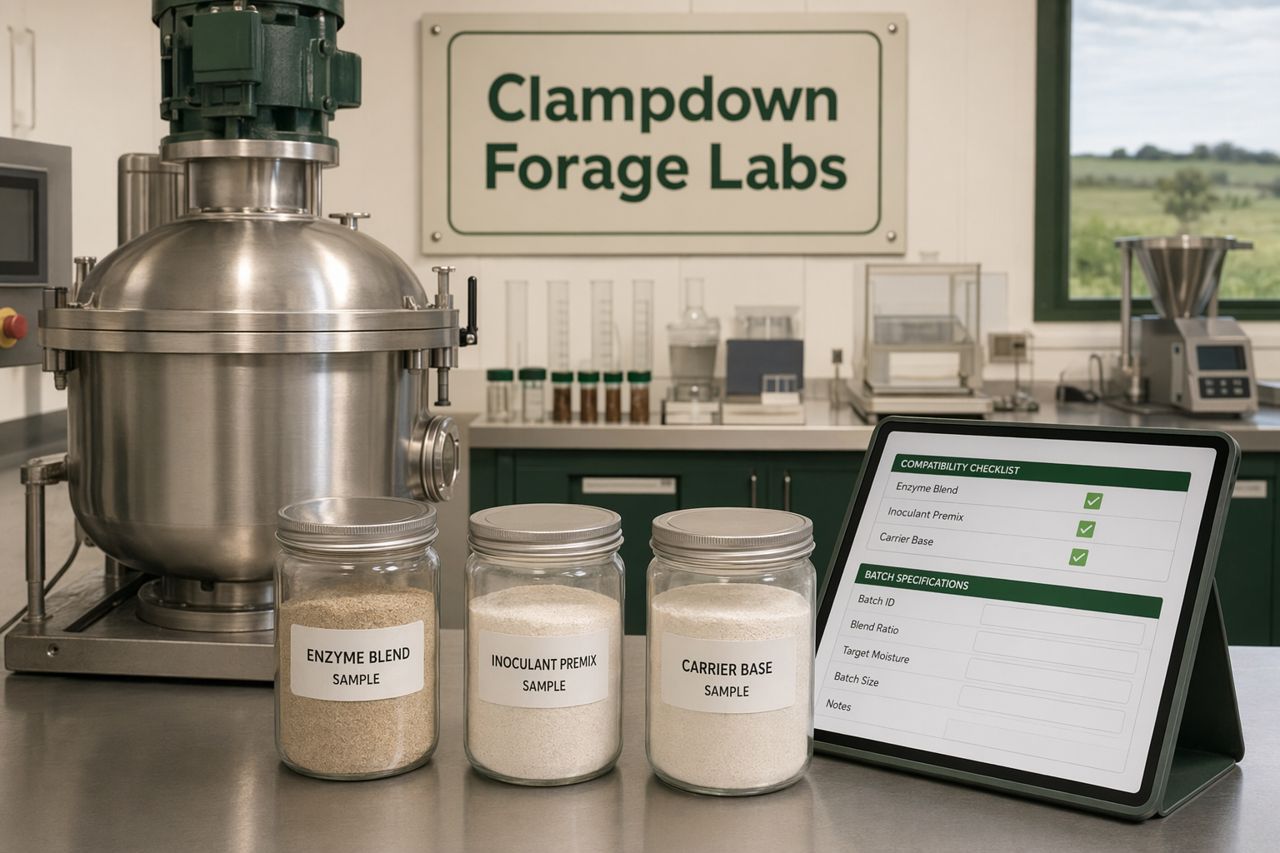
Clampdown Forage Labs supports additive manufacturers with formulation-ready enzyme systems for corn silage products where repeatable batch behavior, documentation, and compatibility are as important as the biology.
Kernel processing score influences how a corn silage additive is positioned because it affects how quickly starch and plant cell contents become accessible during fermentation and feed-out. The additive cannot correct poor mechanical processing by itself, but it can be designed to support more consistent fermentation around the material it receives.
For product teams, this creates three practical questions:
The right answer depends on the product architecture, not on a single ingredient.
Corn silage varies by hybrid, dry matter, chop length, processor setup, harvest timing, and storage execution. Kernel processing score gives manufacturers a useful language for that variability.
If the crop is well processed, the additive can be positioned around efficiency and consistency. Enzymes and inoculants are not forced to compensate for large physical barriers. This supports claims focused on fermentation direction, substrate access, and stable preservation outcomes.
Commercial positioning may include:
If kernel processing is variable, the additive may need a more robust positioning strategy. In this case, enzyme selection should not be oversold as a mechanical correction. Instead, it should be framed as a way to support substrate release and fermentation performance within real harvest variability.
Commercial positioning may include:
A silage enzyme supplier for forage additive manufacturing should help product managers connect enzyme function to the crop matrix and the final additive claim. For corn silage, that often means balancing enzymes selected for plant cell wall access with the intended inoculant system and carrier format.
The key is not simply adding more enzyme. The key is selecting enzymes that remain compatible with the manufacturing process, the additive format, and the intended field use.
Important formulation questions include:
Clampdown Forage Labs approaches enzyme supply from the manufacturing side: blend behavior, carrier fit, storage expectations, documentation, and repeatable batch performance.
Corn silage additives are rarely built on enzymes alone. Most commercial products are enzyme-inoculant combinations, sometimes with carriers, flow aids, nutrients, preservatives, or application-support ingredients.
That makes compatibility a product management issue, not just a lab question.
A practical enzyme system should be reviewed for:
When kernel processing score is part of the selling conversation, this compatibility work becomes even more important. Product managers need confidence that the additive can be positioned consistently across different harvest conditions without creating unrealistic expectations.
Kernel processing score can improve sales discipline. It helps separate what the additive can support from what the chopper and processor must deliver.
For manufacturers, that distinction protects brand credibility.
Stronger claim language:
Riskier claim language:
Commercial buyers respond to clear technical boundaries. A defensible claim set helps distributors sell the product without overextending the formulation.
When sourcing enzymes for corn silage additive development, product managers should ask questions that connect technical performance to manufacturing practicality.
Use this checklist during supplier review:
The goal is to reduce reformulation risk, simplify customer documentation, and keep production moving.
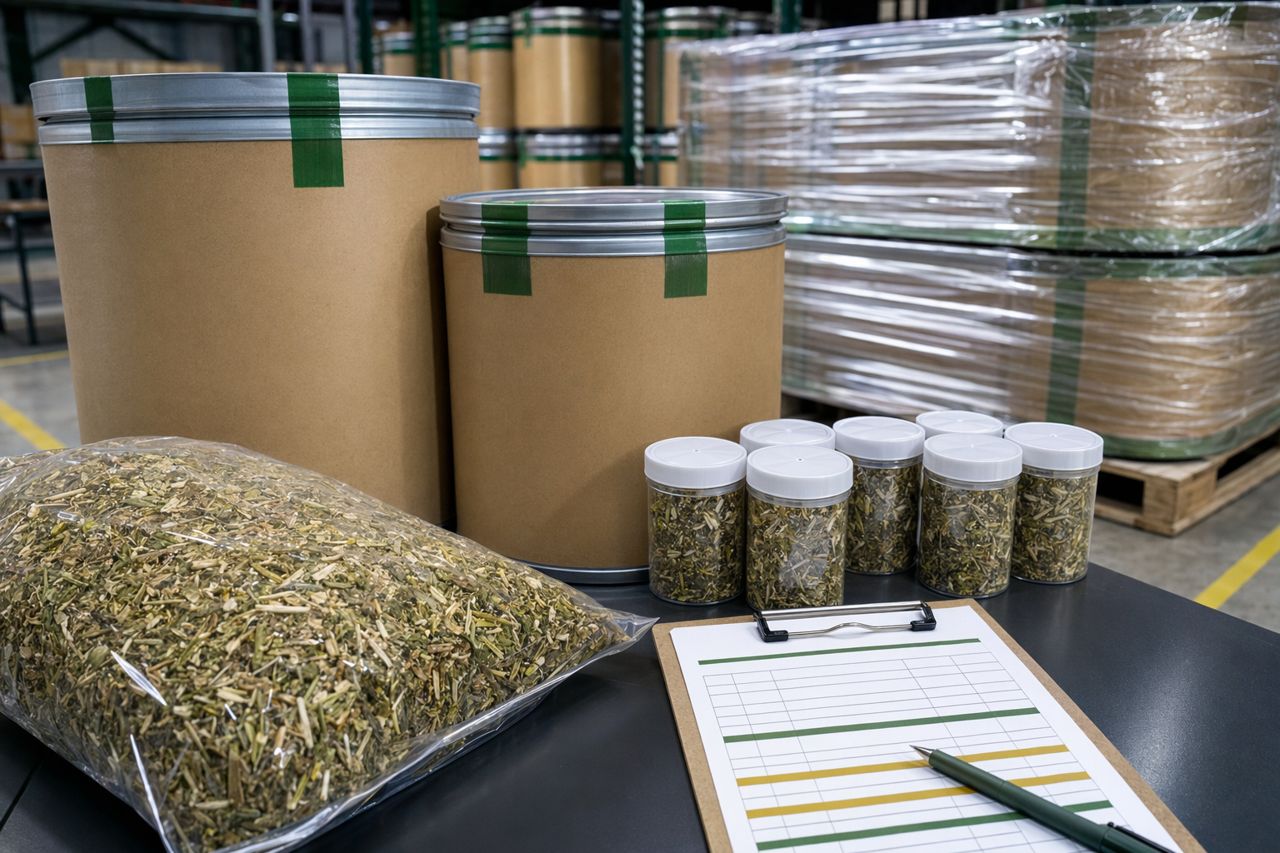
Clampdown Forage Labs supplies formulation-ready enzyme systems for silage additive manufacturers developing corn silage products, private-label lines, and custom forage additive platforms.
Our support is built around practical manufacturing needs:
We help product managers turn forage variability into a cleaner formulation brief: what the product is designed to support, where the claim boundaries sit, and how the ingredient system fits the plant.
If you are developing or refreshing a corn silage additive line, Clampdown Forage Labs can help you evaluate enzyme options against kernel processing score positioning, inoculant compatibility, format requirements, and documentation needs.
Request a quote through the on-site form and share your target additive format, crop focus, inoculant system, and commercial positioning goals.
Tell us your application and volume — we reply with pricing and lead time.